What I learnt from Arsenal’s loss
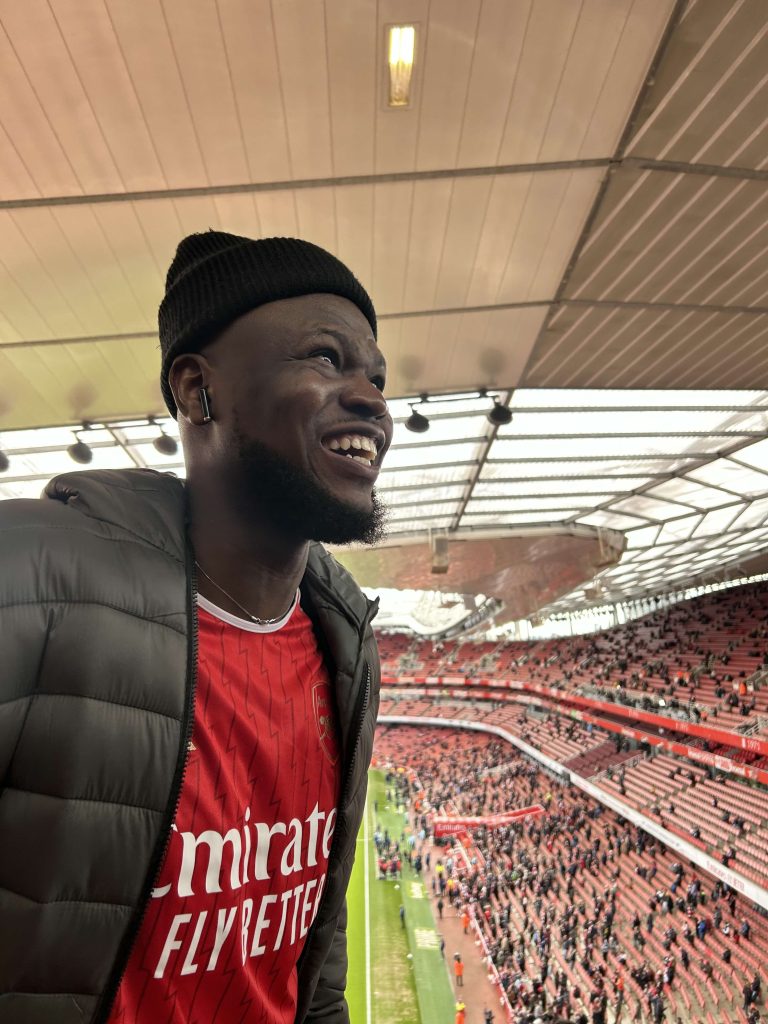
Omo! One person is collecting salary in London and I am here suffering based on affiliation 😂. Yesterday, the way I screamed when Arsenal conceded the second goal carried so much pain that my wife was visibly worried. She later said, “I don’t understand how these things get to you people like this.”
I woke up this morning thinking about Arteta again, and intentionally blessing him. As it is too early for the opposite to find it’s way, and my pastor has been teaching about the heart. And he has also been talking about teachability, and that’s something Arteta needs to learn (Oga, you need to call Pastor Sola for counselling).
But yeah, one comedian said, “Na fan love.” 😃
And you know what? Apathy is not easily cultivated for something you’ve built deep love for. I’m angry now, but there’s still a chance I’ll watch the derby on Sunday and celebrate if we win.
There are a couple of things that may be responsible for this phenomenon—and they’re lessons you can explore for your own business and brand:
- Identity & Belonging: Supporting a team becomes part of your identity. Rituals like chants, jerseys, and match‑day routines strengthen group cohesion. You see the same thing in big churches: certain phrases or practices instantly reveal where someone belongs.
- Emotional Attachment: This is the one most of us cannot explain. But repeated exposure builds connection. A team’s history, a memory you hold, or unforgettable matches can all trigger dopamine—similar to other rewarding experiences like eating your favorite food or achieving a goal. These emotions create long‑term attachment, even when performance is poor.
- Community & Social Connection: Football fandom is deeply social: stadiums, pubs, watch parties, and group chats turn football into shared joy and shared pain. After that second goal, I went straight to my study and messaged Tunji, who admitted his heart couldn’t take it and he stopped watching earlier in the game. I know he has an IG message group where the only thing they talk about is Arsenal. Shared experiences foster solidarity and belonging, which can ease loneliness and increase life satisfaction.
- Commitment & Loyalty: Studies describe a “fan loyalty continuum,” where casual interest evolves into lifelong devotion. If you’ve ever been in a relationship that grew into marriage, you’ll understand this progression. Loyalty is shaped by emotional investment, perceived authenticity, and interactive engagement (social media, fan events). Once established, it often passes down through generations.
- Psychological Benefits: Supporting a team provides meaning, routine, and emotional highs. Even frustration after a loss deepens the emotional narrative of being a “true fan.”
So, when you clock it, loving a football club isn’t just about the sport—it’s identity, emotion, community, and psychology. That’s why you can mirror these experiences in most things you’re emotionally attached to over time, especially the ones you stick with through decades of ups and downs.
If you’re building a B2C brand, there are lessons here: create rituals, foster belonging, and build emotional connections that endure through wins and losses.